
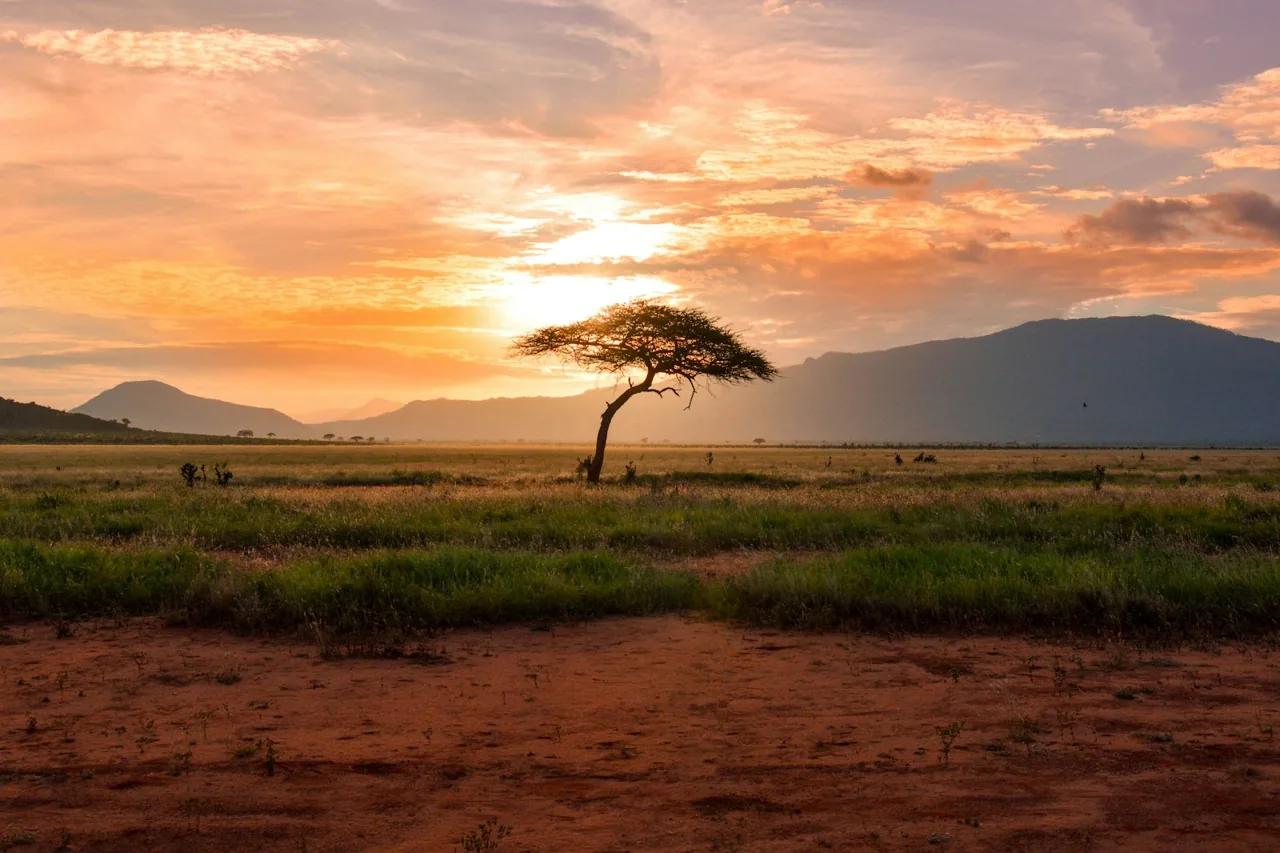
January to March
This period can suit a trip combining safari and beach. Leave a margin for heat and the conditions in each area. January and February do not guarantee dry tracks everywhere; rainfall and temperatures vary from one year to another. The highlands require a warm layer in the evening.
April to June
The rainy season can make tracks more difficult and change some camp opening arrangements. A route remains worthwhile with greater flexibility, but not every stage is driven in the same conditions. Confirm the ground conditions shortly before departure and favour longer stays with fewer lodge changes.
July and August, then September and October
Trips during the northern summer often require early vehicle and accommodation bookings. In the Mara, migration movements follow rainfall and available grazing rather than a guaranteed calendar. September and October may suit a different pace, but still need to be planned around your budget and visitor levels in the chosen sectors.
November, December and the festive period
The short rains can change camp access and outings. December and January also include holiday periods: do not confuse the weather with vehicle-hire pricing. Book early for Christmas or New Year and allow time for transfers. Seasonal prices are confirmed in the quotation for your dates.
Separate weather, visitor numbers and price
A month may suit one region without providing the same conditions elsewhere. Rental pricing may follow demand and holiday periods, while track conditions depend on rainfall. Do not confuse the two. Ask for prices for your dates, then shape the route around access and accommodation. A low-season label does not guarantee a discount on every service or the same visitor levels in every area.
To choose, write down what matters most: safari, beach, hiking, vehicle availability or budget. Then compare two or three date ranges and their practical consequences. Flexible dates may make bookings easier, but the itinerary must still fit the conditions. One year’s weather is not a promise for the next, so keep road margins and activities that can be moved without disrupting the whole trip.
Important bookings for your dates
For busy periods, book the vehicle and route-defining accommodation early. In the Mara, the camp and sector matter as much as the month. A specialist visit or balloon flight may require a separate reservation; confirm rescheduling terms before paying. During festive periods, also check minimum stays or special terms set by accommodation. Do not apply conditions found for an ordinary night to every date.
In wetter periods, ask whether campsites are open and about current access. Accommodation reached by a long track may require a larger time margin. Several nights in one place reduce the need to meet a new arrival time every day. A cancelled activity can be replaced by rest or an accessible visit without forcing a difficult crossing. Choose commercial terms that provide the flexibility you need and check what is actually refundable.
Adapt the regions instead of seeking a perfect month
The highlands may require warm clothes and different preparation from the savannah. On the coast, marine outings depend on wind, sea state and tides; sunshine at the hotel does not guarantee a boat departure. For hiking, ground conditions and visibility matter as much as temperature. Build each stop around its main activity, then obtain recent information before departure. One description of Kenya’s climate is not enough to organise all these experiences.
Migration expectations also need to be realistic. Herd movements and the scenes observed cannot be booked for a precise date or time. Staying several nights provides more outings without ensuring a river crossing. Do not choose a camp solely on a promise of spectacle. Consider the permitted sector, route, accommodation terms and guiding options. The quality of the trip also depends on time for observation and a comfortable plan.
Adjust the programme shortly before travelling
Reconfirm tracks, access and bookings close to departure and again before each sensitive stage. An old answer is no substitute for recent local information. If the weather requires a change, ask for an alternative compatible with the hire agreement and your nights. Do not keep a difficult route merely because it appears in the original programme. Send your dates and priorities to prepare a route that works in its season, with a confirmed budget and enough flexibility for actual conditions.