
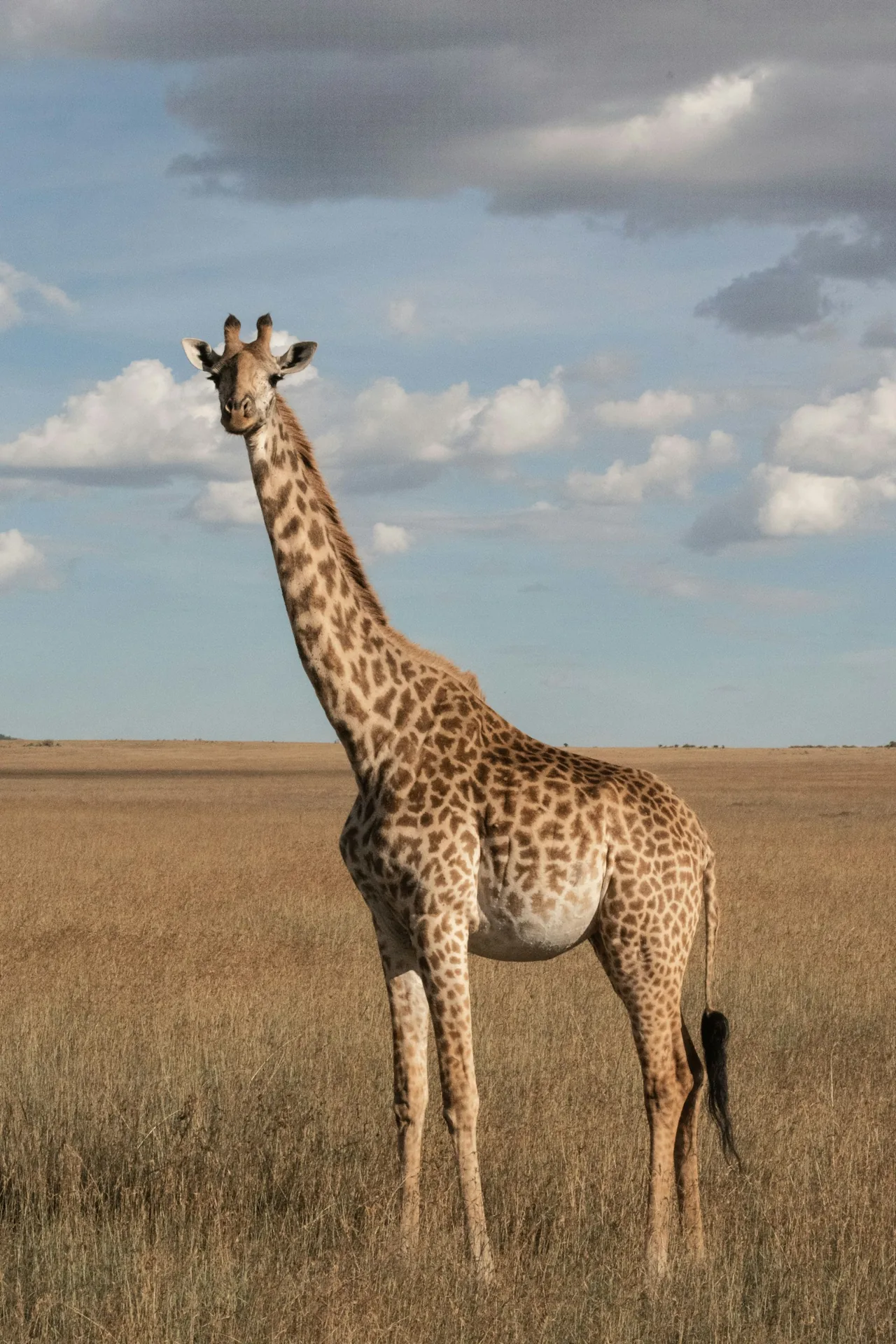
Migration in the Masai Mara
Herd movements depend partly on rainfall and available resources. The period advertised in brochures is indicative; a river crossing cannot be booked for a particular time. Stay several nights and discuss the sector with your accommodation or guide without arranging the entire trip around one scene.
Vary the landscapes
The Mara, Amboseli, Samburu and Tsavo provide different environments. Rift Valley lakes and the highlands bring other sightings, including birds. For a short trip, choose a geographically coherent combination. Adding every one of these places may leave you spending more time on the road than on safari.
Watch without disturbing
Keep your distance, stay on permitted tracks and avoid surrounding an animal. Do not feed wildlife and leave the vehicle only in authorised places. A local guide can help interpret tracks and behaviour without making sightings guaranteed.
Prepare your outings
Bring binoculars, charged batteries, water and protection from dust. Plan mornings and late afternoons around park and lodge hours. Confirm a suitable vehicle: our Jimny is limited to two travellers and excluded from the Masai Mara. Entry fees and any guides remain separate from vehicle hire.
Choose a few complementary habitats
Reserves are not interchangeable. Savannah, woodland, lakes and highlands offer different landscapes and sightings. For a short stay, favour two or three regions linked coherently. Time for game drives often matters more than the number of names in the programme. Two days in one sector provide different light and situations without guaranteeing a particular species. A brief visit between road journeys leaves less freedom to wait or return to an interesting place.
Discuss your interests before booking: large mammals, birds, landscapes, photography or conservation. These priorities can guide the route and support, but they must not become promised encounters. A guide can help explain tracks and behaviour, but the animals remain wild. At a stop such as Ol Pejeta or Solio, distinguish a game drive from conservation programmes that require their own booking. The programme should state what is arranged, not what will necessarily be seen.
Migration and choosing a sector
Herd movements are influenced by conditions and resources. Periods commonly cited in brochures help with planning but do not fix a scene in one place. A river crossing may not occur during your stay. Keep several nights and confirm the sector with the camp or guide rather than moving accommodation each day for a promised spectacle. Gates, fees and conservancies also require coherent bookings.
For photography, waiting is part of the outing. Bring batteries, dust protection and binoculars, then allow room to observe without constantly moving the vehicle. A safari’s appeal is not limited to dramatic action: light, landscapes and behaviour can make a day memorable. Treat offers that guarantee a species or scene with caution. Choose the stay for its organisation and region rather than turning a natural phenomenon into a fixed appointment.
Behave responsibly while viewing wildlife
Follow permitted tracks and instructions, keep your distance and do not block animals’ movement. Do not feed wildlife or leave the vehicle except in permitted places. A photograph does not justify a risky approach or off-road driving. If several vehicles are waiting, be patient and follow the guide’s or park’s directions. A safari-equipped vehicle has no more rights than any other visitor.
Walking activities must be booked where they are allowed and with the required supervision. Walking around a campsite is not automatically permitted at every hour, especially near water or wildlife. Ask for the accommodation’s rules on arrival. Responsible viewing also applies at night: do not improvise an animal search with the vehicle. Any night drive is provided in authorised areas by approved operators and must be confirmed separately.
Plan flexible days
Arrange departures and returns around park hours, meals and the road to the accommodation. A midday break may be useful, particularly with children. Keep water and supplies for a longer outing when planned. Include entry fees and guides in the budget separately from the vehicle. The 4x4 must suit the terrain, group and rental restrictions. Send your priorities and proposed camps to prepare a stay that leaves genuine time for wildlife.